
Following the commissioning of core equipment in the new laminate production workshop, the company has achieved another milestone in its innovation and R&D. Recently, the extrusion workshop made substantial progress in the development of CPVC rigid sheets, with the first batch of trial samples passing comprehensive testing. Key performance indicators have achieved the expected improvements, marking a solid step forward for the company in its serialized development of PVC substrate products.
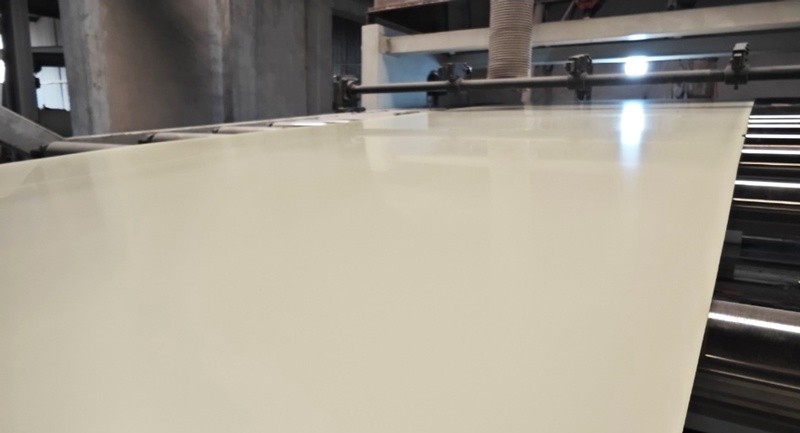
Technological Breakthrough: Performance Leap from PVC to CPVC
Through continuous process optimization and formula adjustment, the CPVC rigid sheet produced in this trial has achieved significant improvements in key performance indicators:
Improved Heat Resistance: Vicat softening temperature increased from approximately 83℃ for conventional PVC rigid sheets to over 105℃
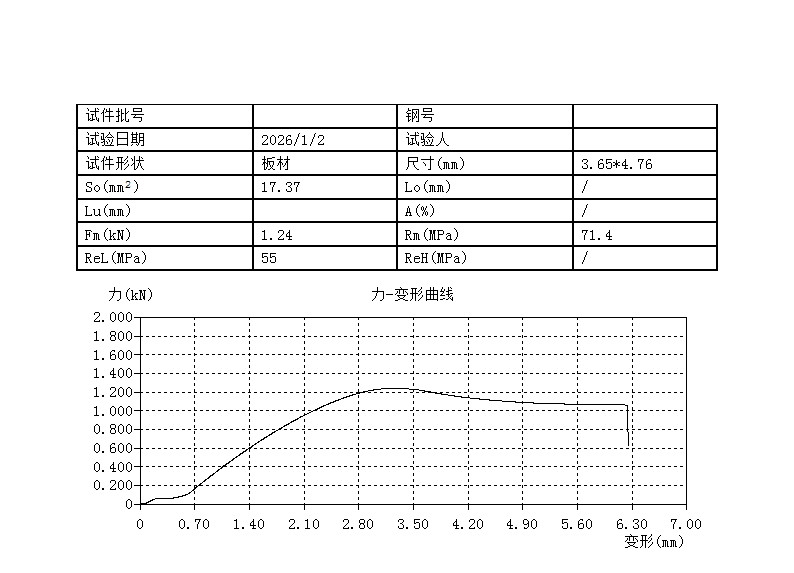
Enhanced Mechanical Properties: Average tensile strength increased from approximately 50MPa to over 65MPa
Improved Dimensional Stability: Heat distortion temperature increased accordingly, suitable for a wider range of application environments.
The R&D leader stated, "This breakthrough is not only reflected in the improvement of data indicators, but also signifies that we have mastered the core processing technology of CPVC materials, laying a technological foundation for expanding product application areas."
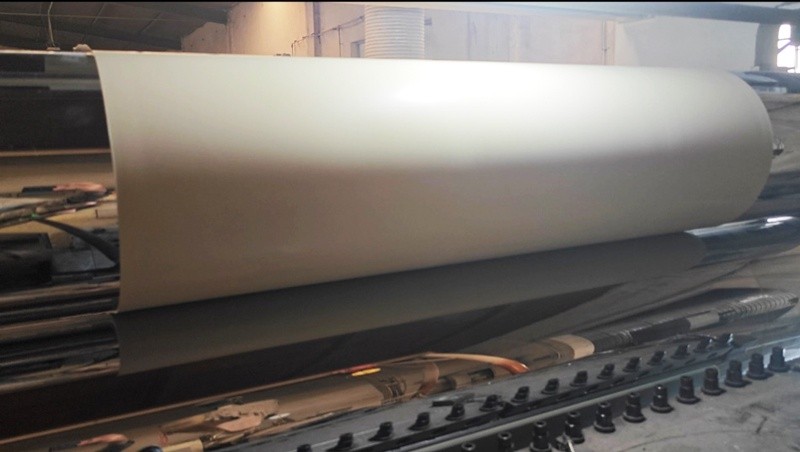
Process Breakthrough: The Leap from Laboratory to Production Line
CPVC (chlorinated polyvinyl chloride), as a modified material of PVC, has a narrow processing window and is difficult to control in terms of process, placing high demands on the temperature accuracy, pressure control, and material formulation of production equipment. After several months of work, the extrusion workshop's technical team achieved stable trial production of CPVC rigid sheets through improvements in screw assembly, precise temperature control at each stage, and die design adjustments.
"From laboratory trials to production line pilot testing, we overcame a series of technical challenges, including die pressure and screw temperature control," explained the process engineer. "Currently, the trial-produced CPVC sheets have met expectations in key appearance indicators such as surface quality and cross-sectional uniformity."
Application Expansion: Opening Up New Market Space
Due to its excellent heat resistance, corrosion resistance, and mechanical properties, CPVC rigid sheets have unique advantages in fields such as chemical container linings, structural components in high-temperature environments, and special decorative materials. This successful trial production signifies that the company's product line has the capability to extend into higher-performance application areas.
The marketing director stated, "We have already sent the first batch of samples to several potential customers for application testing, and the initial feedback has been positive. This will help us enter new niche markets such as industrial support and special construction."
Triple Strategy: Building a Complete Product Matrix
With the successful trial production of CPVC rigid sheets, the company has initially formed a product system covering three major categories of boards:
1. Laminate Series: Relying on the newly built standard and large-scale lamination production lines, meeting the needs of various chemical corrosion-resistant boards.
2. PVC Rigid Sheet Series: A mature product line, widely used in corrosion protection, construction, advertising, packaging, and other fields.
3. CPVC Rigid Sheet Series: Newly developed high-performance products, targeting specialized products and special application fields requiring high temperature resistance.
"These three types of products each have their own focus in terms of raw materials, processes, performance, and applications, yet they complement each other," said the production director. "This strategy allows us to better meet the diverse needs of our customers and provide more comprehensive solutions."
Steady Progress: The Path from Trial Production to Mass Production
Currently, the CPVC rigid sheet project has entered the process solidification and small-batch trial production stage. The technical team is collecting various process data and optimizing operating parameters to prepare for stable production. Meanwhile, the quality control department has begun developing corresponding inspection standards and testing methods.
Synergistic Development: Innovation and Capacity Improve Simultaneously
It is worth mentioning that this breakthrough in CPVC rigid sheet R&D has created a positive synergy with the construction of the new laminate workshop. On the one hand, the new workshop provides hardware support for increasing laminate production capacity; on the other hand, technological innovation in the extrusion workshop provides new possibilities for product line expansion.
“Capacity building and technological innovation are two important drivers of the company’s development,” said the company’s head. “We will continue to invest steadily in these two areas, continuously improving product quality and technological content to create greater value for our customers.”
From the construction of the laminate workshop to the development of new CPVC products, the company made solid progress in 2024. These achievements are inseparable from the joint efforts of colleagues in R&D, production, engineering, and other departments. We believe that through continuous technological innovation and rigorous quality control, the company will provide customers with more superior and diverse product choices.
The CPVC rigid sheet is expected to complete all verification work in the first quarter of next year and will be launched to the market in due course.
Related Posts
- ▶ Adjustments to export tax rebate policy will help upgrade the PVC export industry.
- ▶ Triple positive factors combined to boost PVC prices, leading to a significant increase.
- ▶ Breakthrough Innovation | Extrusion Production Line Successfully Produces Rigid CPVC Sheets, Significantly Improving Product Performance
Online Message

Thank you very much for writing to us. Please leave your message and contact information, we will reply to you within 24 hours.