
Project Background and Challenges:
A metal surface treatment company's production wastewater has a complex composition, containing high concentrations of mineral oil, emulsified oil, and mixed acids such as sulfuric acid and hydrochloric acid, with a pH value consistently between 1 and 3. Traditional carbon steel tanks suffer from severe corrosion, while stainless steel tanks are prone to pitting due to chloride ions, and are difficult to clean after oil adhesion, resulting in unstable pretreatment effects and severely impacting the downstream biological treatment system.
Solution – PVC Rigid Board Spray Tank:
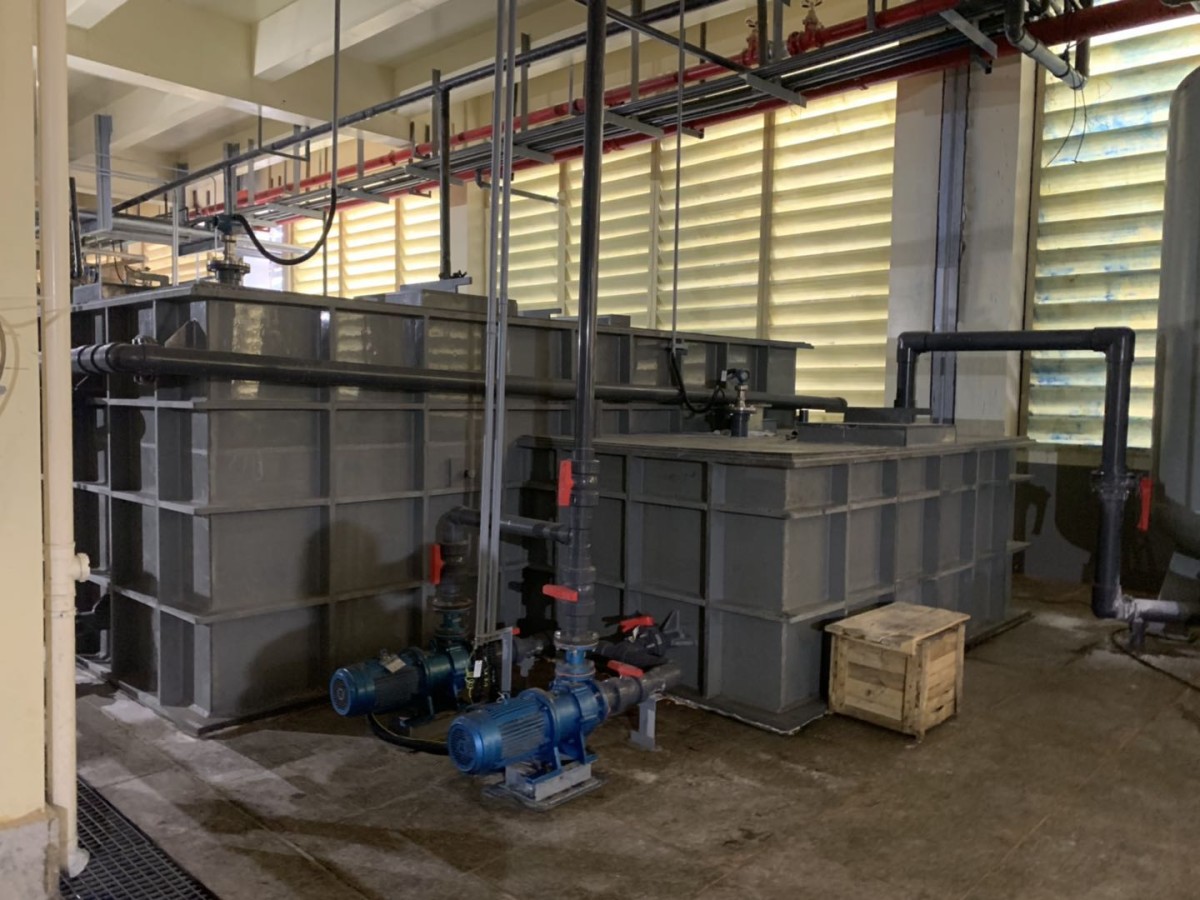
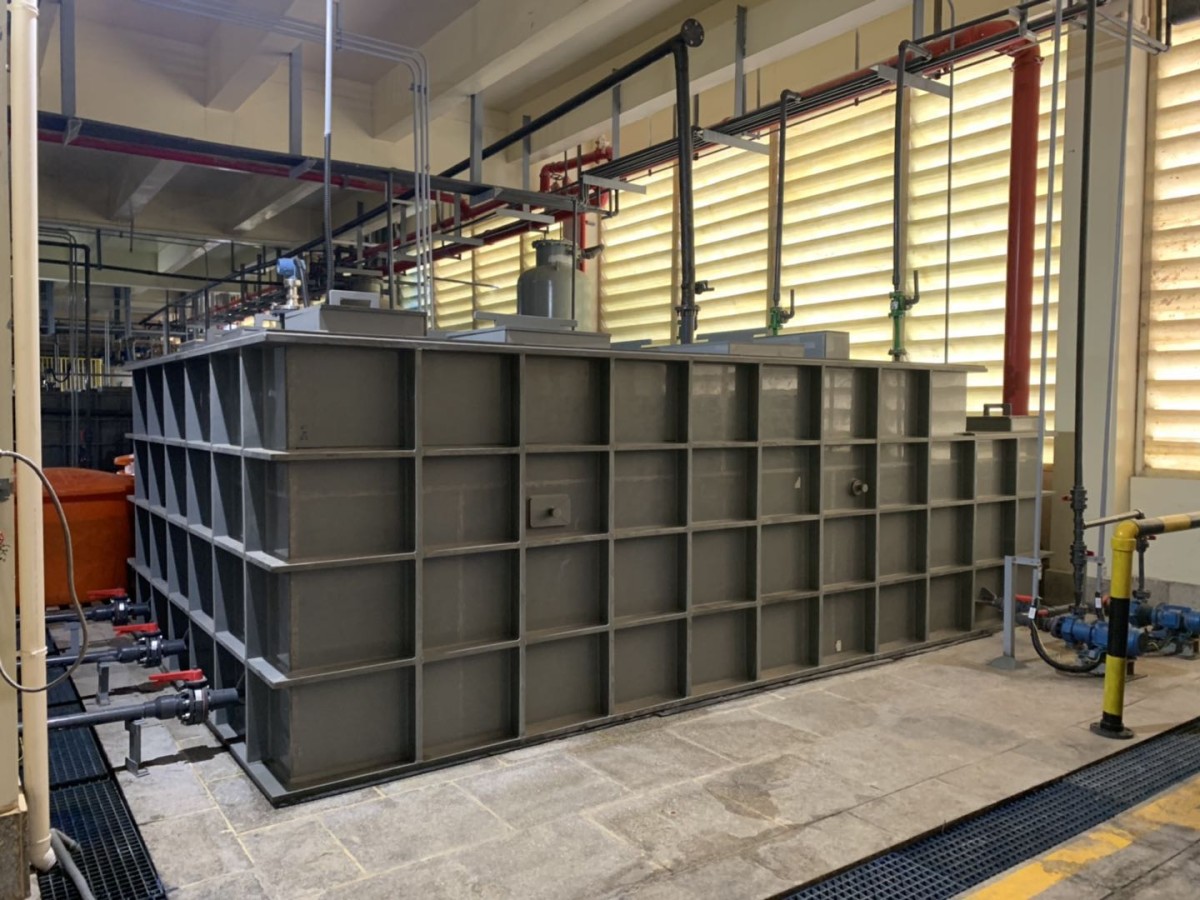
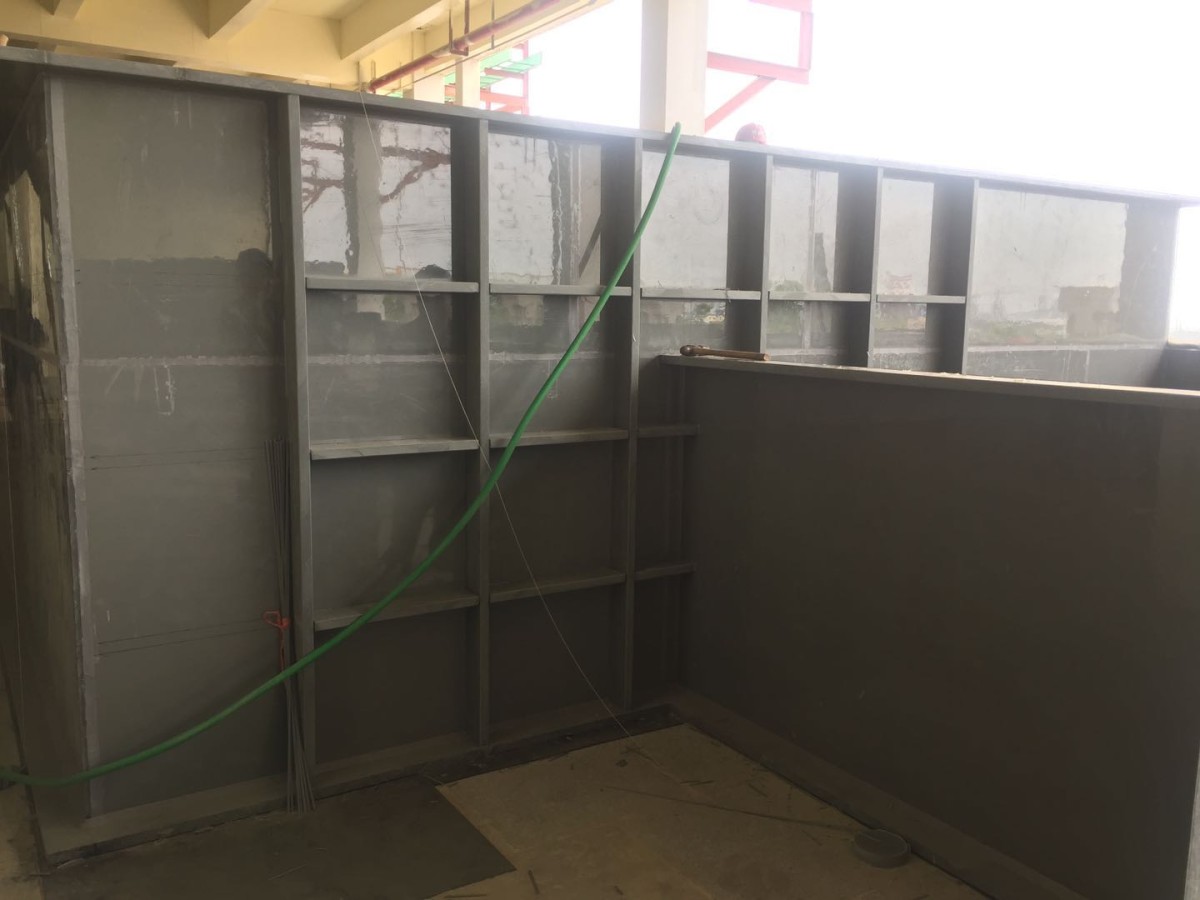
1. Customized Design and Material Selection: 20mm thick gray industrial-grade PVC rigid board is used. The board is processed using a large CNC engraving machine, and hot air welding is performed on all seams using specialized PVC welding wire to create a rectangular tank measuring 6 meters long, 2 meters wide, and 2.5 meters high. The tank's interior features a unique "vortex buffer + stepped overflow" structure designed based on fluid dynamics simulation.
2. Core Function Implementation: Dozens of fan-shaped nozzles made of PVC and PP (polypropylene) materials are installed at specific locations on the bottom and side walls of the tank, forming a high-pressure spray array. After high-temperature wastewater is mixed with a demulsifier, it is sprayed into the tank at a specific angle through nozzles. The intense shearing action of the dense water jet rapidly breaks down the stability of the emulsified oil droplets.
3. Operational Results: The oily wastewater forms strong turbulence within the tank, causing oil droplets to collide, coalesce, and float to the surface. An oil-collecting scraper (with scrapers covered in acid-resistant rubber) in the upper part of the tank continuously scrapes the floating oil to the collection tank. Actual operational testing showed that this PVC spray tank, in a strongly acidic environment with a pH < 3, consistently achieved a removal rate of over 85% for emulsified oil in the wastewater. The oil content in the effluent decreased from >500 mg/L at the influent to <70 mg/L, fully meeting the requirements of downstream treatment. Since its commissioning, the equipment has operated continuously without failure for over 3 years, with no leakage or deformation in the tank. The overall maintenance cost has decreased by approximately 60% compared to the original stainless steel solution.
Related Posts
- ▶ Adjustments to export tax rebate policy will help upgrade the PVC export industry.
- ▶ Triple positive factors combined to boost PVC prices, leading to a significant increase.
- ▶ Breakthrough Innovation | Extrusion Production Line Successfully Produces Rigid CPVC Sheets, Significantly Improving Product Performance
Online Message

Thank you very much for writing to us. Please leave your message and contact information, we will reply to you within 24 hours.