
Project Background and Pain Point Analysis
A large-scale CNC engraving machine manufacturer targeting the international market identified frequent customer complaints regarding the worktable during routine maintenance of exported equipment. These pain points primarily focused on long-term use and maintenance:
High Surface Vulnerability: Traditional aluminum alloy or ordinary resin tabletops are prone to irreparable indentations and scratches, damaging the reference plane, due to repeated clamping, workpiece handling, and accidental tool contact.
Difficult Overseas Maintenance: As a critical component of the machine, tabletop replacement is complex and typically requires cross-border online service from specialized engineers, resulting in long downtime for customers and high after-sales costs for the manufacturer.
Insufficient Application Flexibility: The pre-set threaded hole positions of standard tabletops cannot fully meet the diverse workpiece clamping needs of users, limiting the equipment's versatility.
Technical Solution: Standardized PVC Rigid Board Module
To address these challenges, we collaborated with the manufacturer to develop a standardized PVC rigid board clamping tabletop module.
1. Material Selection and Processing
Core Material: High-density, unplasticized industrial-grade gray PVC rigid sheet with a thickness of 20mm/25mm (depending on machine load).
Key Performance:
Mechanical Properties: Excellent compressive and impact resistance, effectively resisting clamping forces and daily impacts, significantly reducing surface damage.
Dimensional Stability: PVC material has a low coefficient of thermal expansion, maintaining good flatness stability under different temperature and humidity conditions, ensuring long-term processing accuracy.
Chemical Resistance: Fully resistant to common cutting fluids, coolant oils, and cleaning agents; dense and smooth surface, easy to clean and stain-free.
2. Structural Design and Functional Implementation
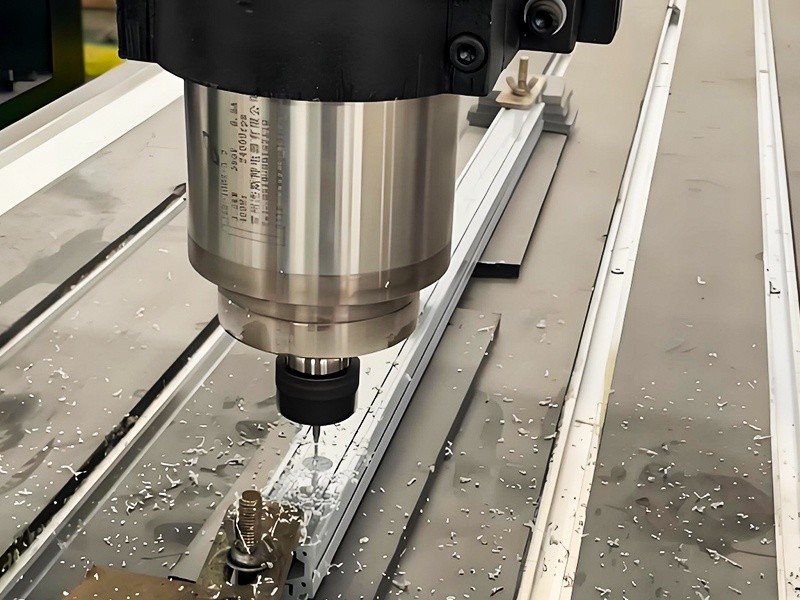
Standardized Grid System: The table surface is precision-machined using CNC machining to form a standardized matrix-style threaded hole grid with a module of 100mm × 100mm. This design provides users with unlimited clamping positions, greatly enhancing the flexibility and adaptability of equipment clamping.
Modular Quick-Change Design: The entire table surface is designed as an independent, detachable module. With an optimized positioning pin and bottom connection scheme, on-site maintenance personnel can replace the entire tabletop within 30-60 minutes without special tools, greatly simplifying the maintenance process.
Implementation Results and Customer Value
After implementing this solution, it brought tangible benefits to the manufacturer and its end-users:
1. Significantly Reduced Operating Costs: The improved damage resistance of the tabletop itself reduces the frequency of replacements due to surface damage.
The modular quick-change design reduces the overall cost (including travel and labor) of a single overseas tabletop maintenance by an average of over 70%, and shortens customer downtime from weeks to hours.
2. Enhanced Product Competitiveness and Customer Satisfaction:
"Highly wear-resistant, quickly replaceable standardized PVC clamping platforms" have become a prominent differentiating selling point for this brand of engraving machines in the international market, especially in the European and American markets where long-term operating costs and ease of maintenance are emphasized.
End-users gained higher equipment utilization, lower maintenance costs, and greater clamping flexibility, resulting in significantly improved customer satisfaction and brand loyalty.
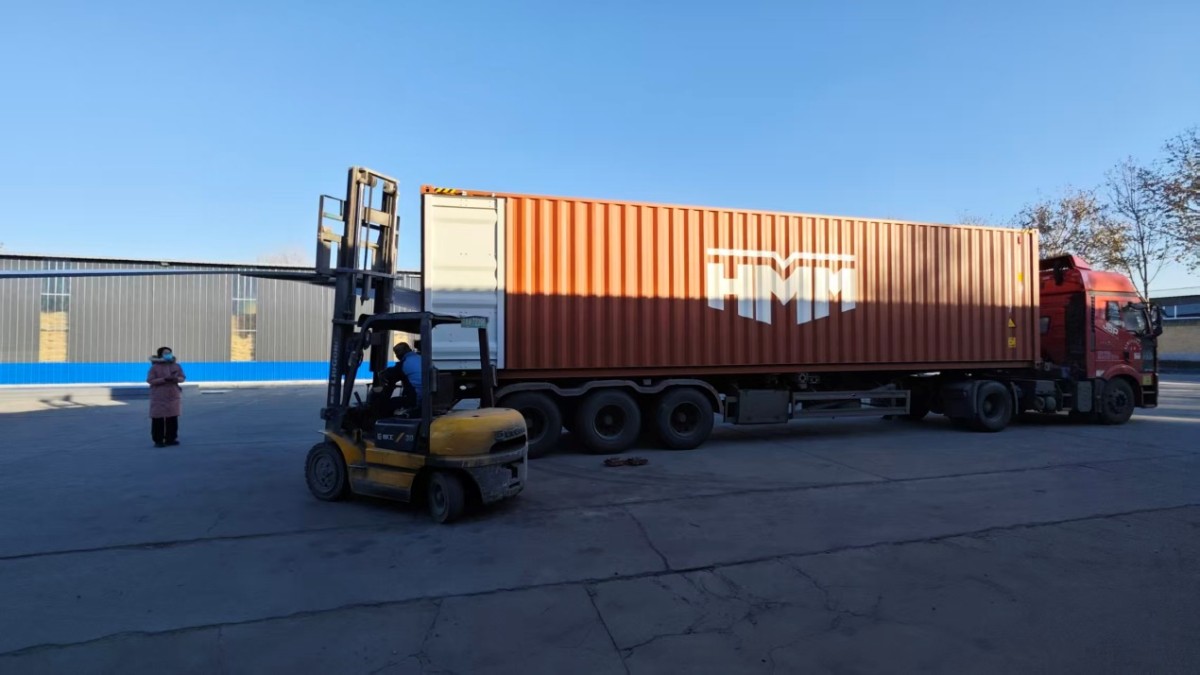
3. Optimize After-Sales Service System: Manufacturers can pre-stock standard tabletop modules and ship them to overseas agents or major customers via regular logistics, achieving "proactive" management of after-sales parts and transforming complex on-site service into simple component replacement.
Conclusion
This project, by innovatively applying high-performance PVC rigid sheets to the fixture tabletop of CNC engraving machines, not only solves the physical pain point of traditional tabletops being easily damaged at the material level, but also restructures the overseas maintenance process for high-value equipment in terms of business model through modular and standardized product design.
The success of this solution proves that in the field of advanced equipment manufacturing, in-depth optimization targeting a specific and high-frequency wear point can effectively reduce the total life cycle cost and transform maintenance pain points into product selling points, thereby building a solid pragmatic barrier in fierce international competition.
Related Posts
- ▶ Adjustments to export tax rebate policy will help upgrade the PVC export industry.
- ▶ Triple positive factors combined to boost PVC prices, leading to a significant increase.
- ▶ Breakthrough Innovation | Extrusion Production Line Successfully Produces Rigid CPVC Sheets, Significantly Improving Product Performance
Online Message

Thank you very much for writing to us. Please leave your message and contact information, we will reply to you within 24 hours.